Blog

Home / Blog

  • Art Adventures
  • Dance Party
  • Naptime Chronicles
  • Pajama Day
  • Playful Learning
  • Superhero Day
  • Tiny Scientists

~April 24, 2024

A story primarily has the following elements: characters, setting, plot and timeline. As children listen to stories being read aloud, they make associations with the story elements and relive them through play. They make up stories in free play, during conversations or during pretend play. Interestingly, they not only retain the cognitive memory of the events...
~April 24, 2024

Visual storytelling has been around since Stone Age cavemen were drawing on the walls. A story can be considered as a framework for the entire human consciousness to function. Humans are story people. We live stories, stringing events of our lives into plots. We imagine stories, even create our past as a story, and project stories...

~April 24, 2024

Lev Vygotsky (1934, 1978) was a Russian philosopher and psychologist who proposed his now famous Sociocultural Theory. It states that cognitive development is influenced by cultural and social factors. A child does not learn in isolation but in a cultural and social context. He emphasised the role of social interaction in the development of speech and...

~April 24, 2024

Play-based and inquiry-based learning has gained traction worldwide with classrooms changing orientation from students sitting on desks facing the teacher to a more cooperative fluid environment, where students can move and explore different materials and ask questions. The Venn diagram above shows the roles that students and teachers can play in such an environment to maximise...

~April 24, 2024

Dr Kamlesh Patel (Daaji), born in 1956, a Padma Bhushan awardee, is a global leader and guide of Heartfulness. His inspirational vision of education is extremely child-centric. He says that as teachers and parents, our role is to let children discover interests and help them develop the power of observation and inquiry from an early age....

~April 24, 2024

Shri Rabindranath Tagore (1861-1941), the famous poet and philosopher from Bengal, wrote, “Knowledge without action is worthless.” He did not find favour with the examination-based system of education. Instead, he looked at education as an exposure to the reality of life, nature, our needs and culture. What we learn we should be able to act upon...

The Subconscious Mind

~April 24, 2024

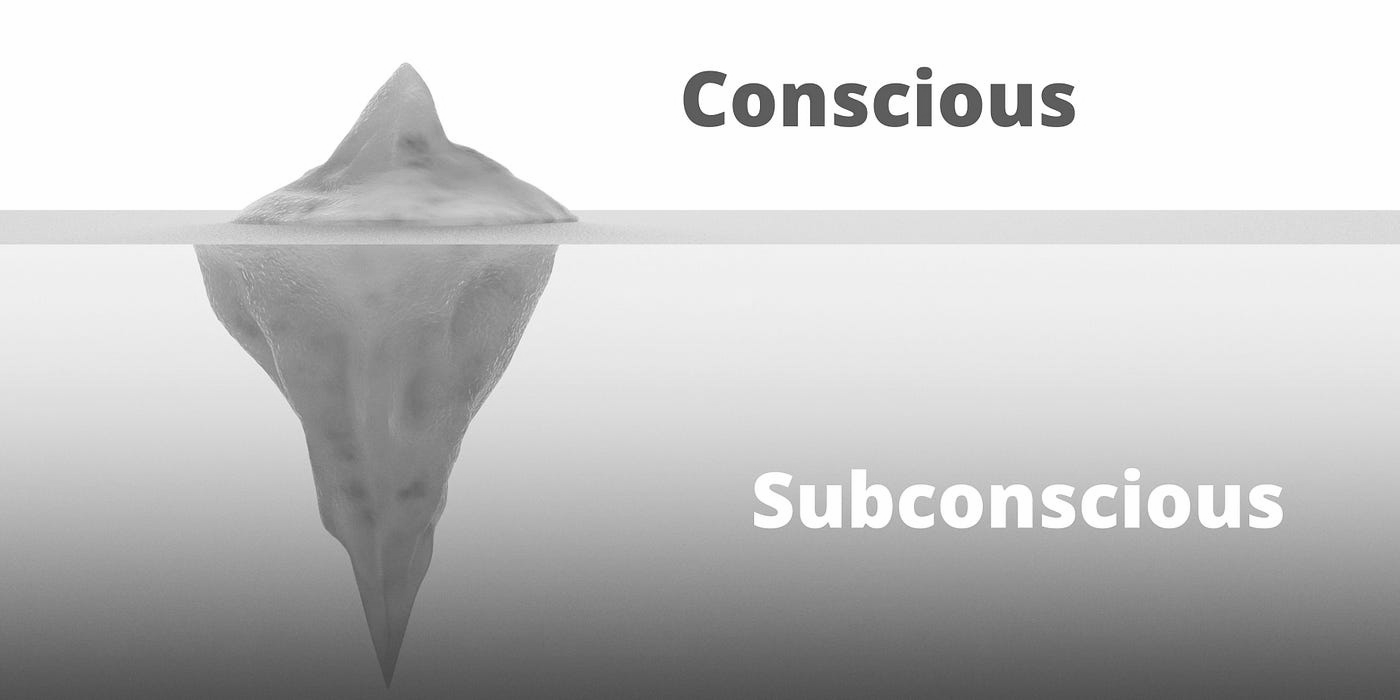
Psychology talks about the subconscious mind that learns by absorption and repetition. The subconscious mind is that part of our mental apparatus that is active 24/7 but not immediately available to conscious awareness. If the conscious mind is analogous to present moment focussed attention then the subconscious would be the peripheral awareness that absorbs everything from...

~April 24, 2024

Dr Maria Montessori (1870-1952), an Italian doctor turned educator writes in her book The Absorbent Mind, “The absorbent mind of the child orients itself to the environment so it is necessary to prepare the environment what much care.” The prepared environment that Dr Maria Montessori talks about is multifaceted; it encompasses the layout and arrangement of...

© 2024 All Right Reserved.